


Author Archives: admin
Feb
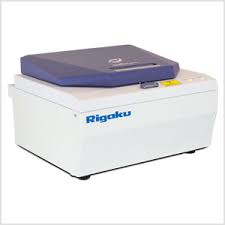
X-ray fluorescence spectroscopy is one of the key elemental analysis methods widely used across industry and research laboratories. XRF easily handles elemental identification in a broad range of mineral samples such as geological materials, ores, rocks, glass, cement, ceramics, metal alloys, and more. In this technique, X-rays interact with the surface layers of a sample, […]
Feb
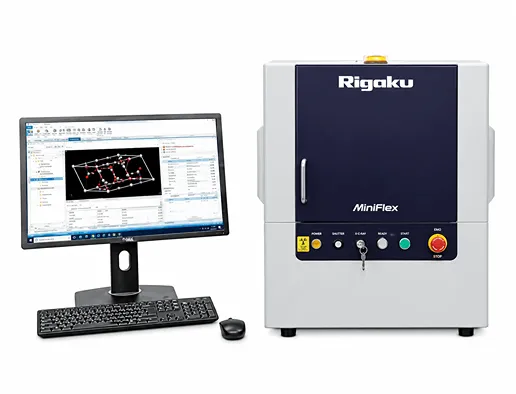
February 16 X-ray diffraction, or XRD, is a long-standing and highly versatile technique for studying crystalline materials. It relies on analyzing how X-rays diffract as they pass through a sample, enabling a detailed evaluation of its structure. XRD can determine fundamental crystal parameters such as lattice constants, lattice geometry, phase identification of unknown materials, crystal […]
Feb
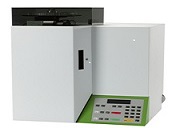
High-temperature combustion of a sample in the presence of oxygen has been one of the standard methods of elemental analysis for many years, especially for the determination of carbon, hydrogen, nitrogen, and sulphur in organic compounds. In this method, the sample is broken down by the high temperatures, and these elements come out of the […]
Feb
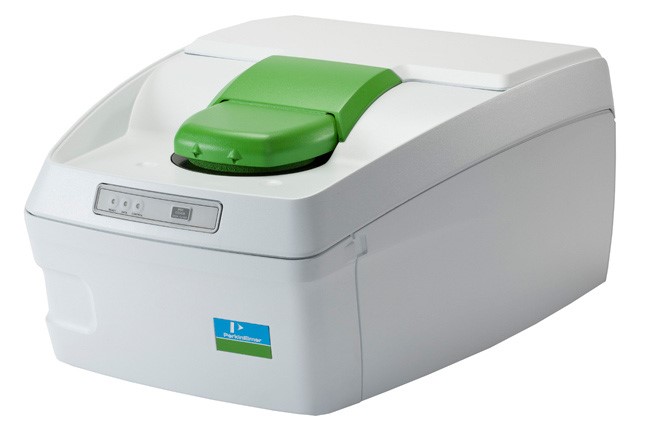
High-temperature combustion of a sample in the presence of oxygen has been one of the standard methods of elemental analysis for many years, especially for the determination of carbon, hydrogen, nitrogen, and sulphur in organic compounds. In this method, the sample is broken down by the high temperatures, and these elements come out of the […]
Feb
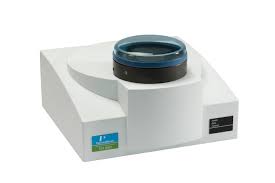
In Thermogravimetric Analysis, both sample and reference are given an equal amount of energy. The device measures the difference in the temperature of the sample compared to the reference. If the sample is undergoing an endothermic process (absorbing heat), the temperature decreases, and the slope of the peak on the TGA power as a function […]
Feb
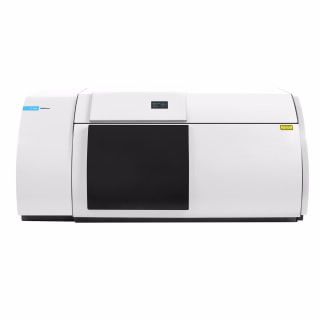
Raman spectroscopy is a technique that is based on the scattering of light and has been widely applied in many branches of science. In chemistry, it is a powerful tool for determining the structure of molecules – Raman peaks are like a fingerprint for each compound. Although Raman and infrared spectroscopy have often been compared, […]
Feb
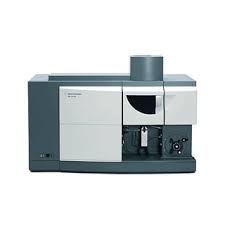
Inductively Coupled Plasma spectroscopy is a very sensitive atomic spectroscopy method where atomization occurs in an extremely hot plasma field. Compared to other methods, it has better detection limits, higher repeatability, and a higher dynamic range. ICP is widely used for the elemental analysis of most elements, except argon, which is the inert gas used […]
Feb
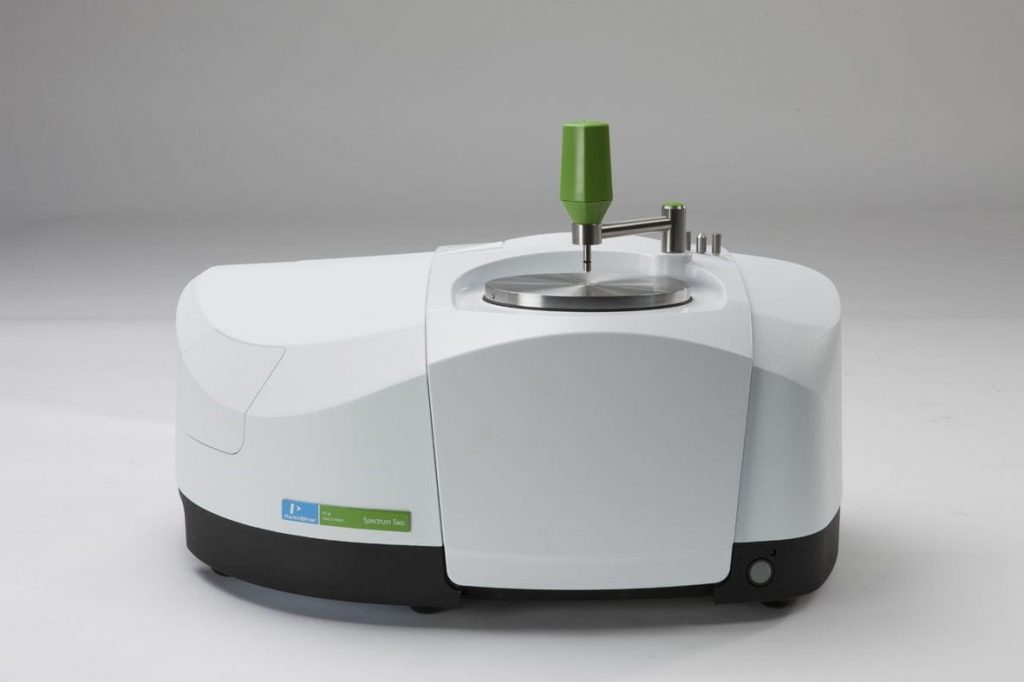
A Fourier Transform Infrared Spectrophotometer (FTIR) is a laboratory instrument that is used to obtain infrared absorption or emission spectra of solid, liquid, or gaseous materials. Unlike traditional dispersive spectrometers that scan one narrow wavelength band at a time, an FTIR instrument collects high-resolution data across a broad spectral range simultaneously – an enormous advantage […]