


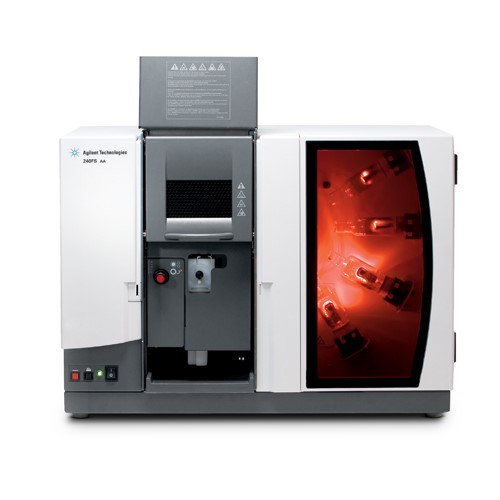
Atomic absorption spectroscopy is an analytical method for measuring the amount of chemical elements in the form of free atoms in the gas phase as a function of the amount by which they absorb light. Its basic principle is simple: free metal ions absorb light of certain wavelengths. In analytical chemistry, AAS has many applications […]
Category Archives: Spectroscopy
07
Mar
Mar
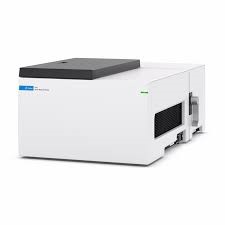
A UV/Vis spectrophotometer is an analytical laboratory instrument that is used to study the interaction of light with matter in order to identify and measure chemical compounds. Its major function is to measure the light absorption by molecules so that it can precisely determine their concentration and structure. These systems have single-beam as well as […]
16
Feb
Feb
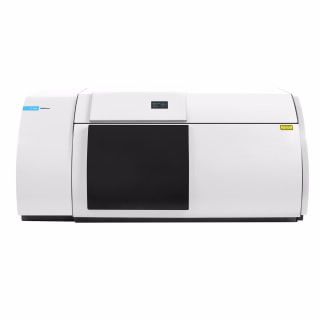
Raman spectroscopy is a technique that is based on the scattering of light and has been widely applied in many branches of science. In chemistry, it is a powerful tool for determining the structure of molecules – Raman peaks are like a fingerprint for each compound. Although Raman and infrared spectroscopy have often been compared, […]
16
Feb
Feb
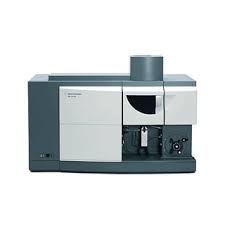
Inductively Coupled Plasma spectroscopy is a very sensitive atomic spectroscopy method where atomization occurs in an extremely hot plasma field. Compared to other methods, it has better detection limits, higher repeatability, and a higher dynamic range. ICP is widely used for the elemental analysis of most elements, except argon, which is the inert gas used […]
16
Feb
Feb
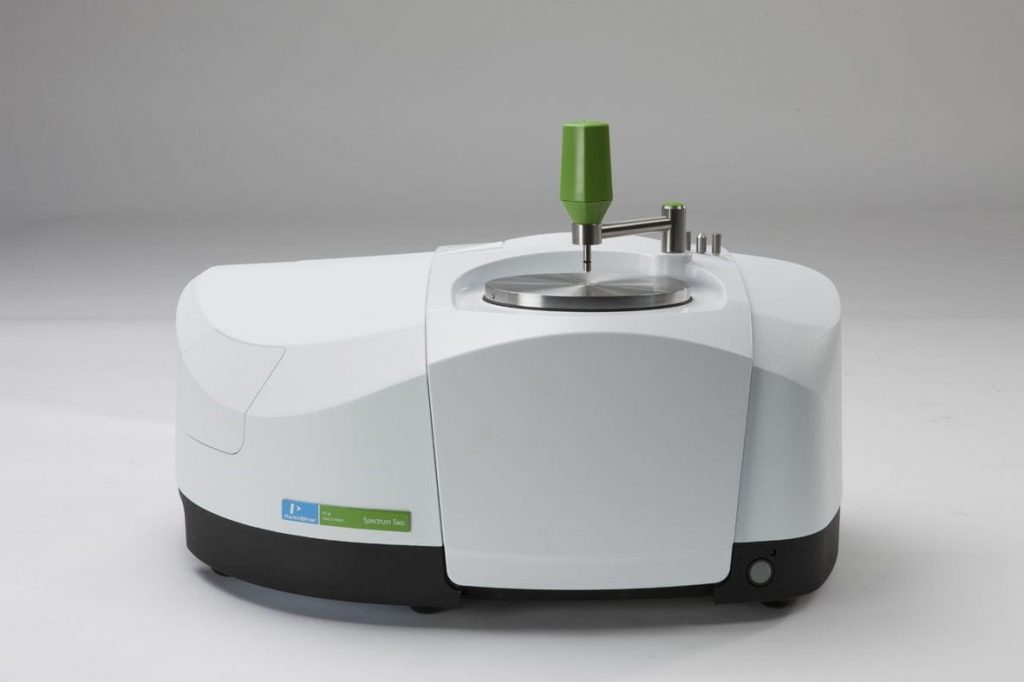
A Fourier Transform Infrared Spectrophotometer (FTIR) is a laboratory instrument that is used to obtain infrared absorption or emission spectra of solid, liquid, or gaseous materials. Unlike traditional dispersive spectrometers that scan one narrow wavelength band at a time, an FTIR instrument collects high-resolution data across a broad spectral range simultaneously – an enormous advantage […]